

Liam Gillick – Filtered Time
Pergamon Museum, Berlin
Art installation documentation, 2025
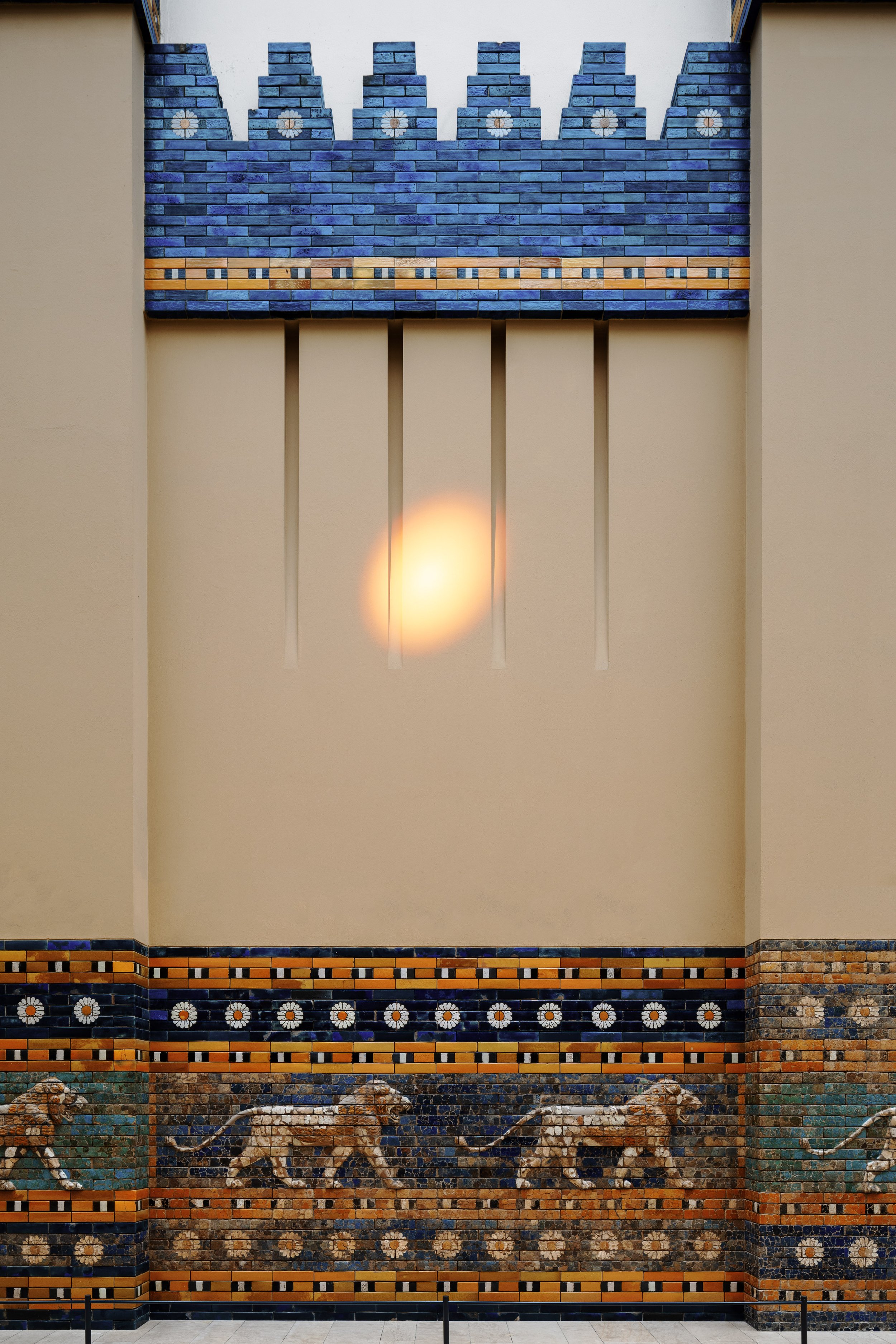
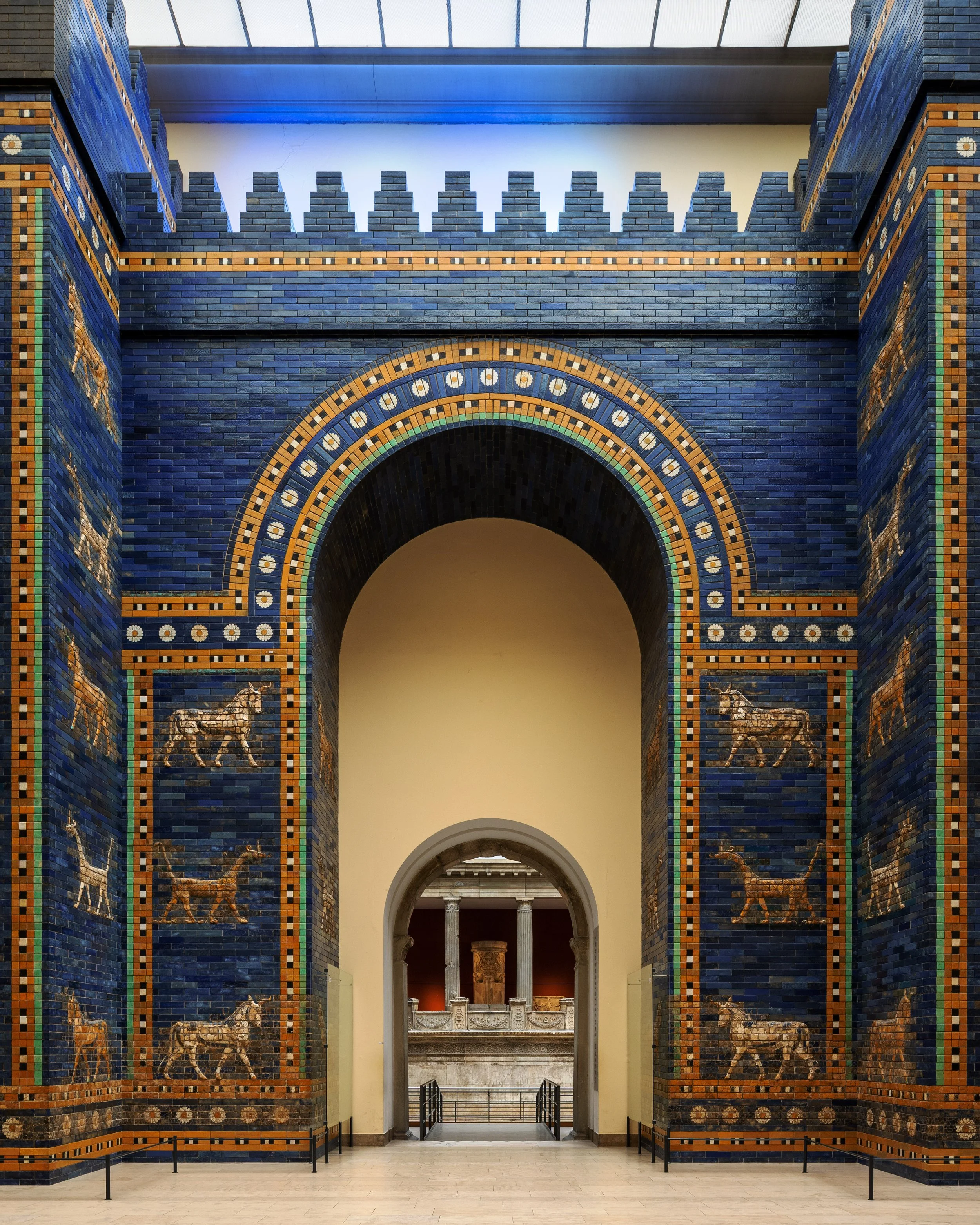
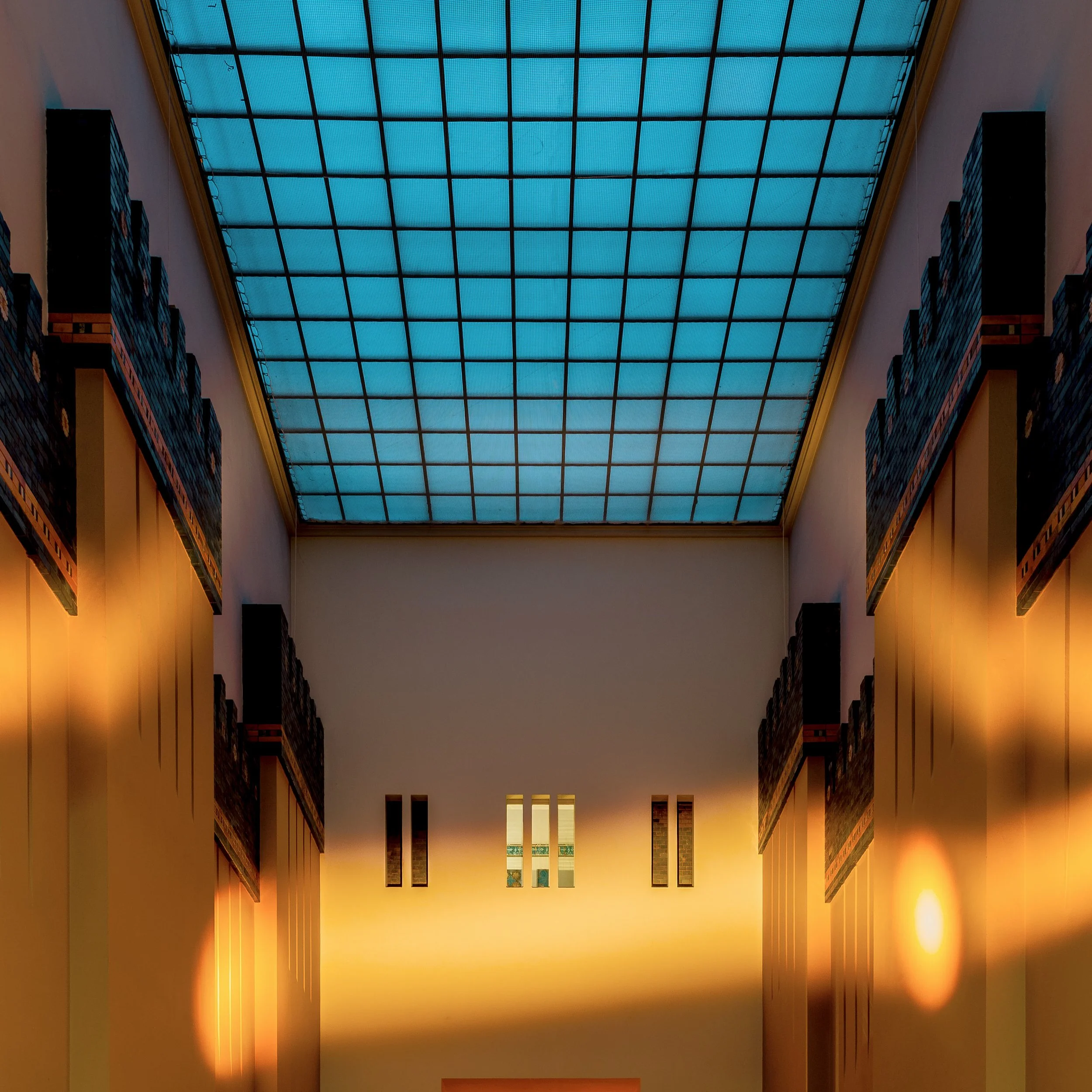
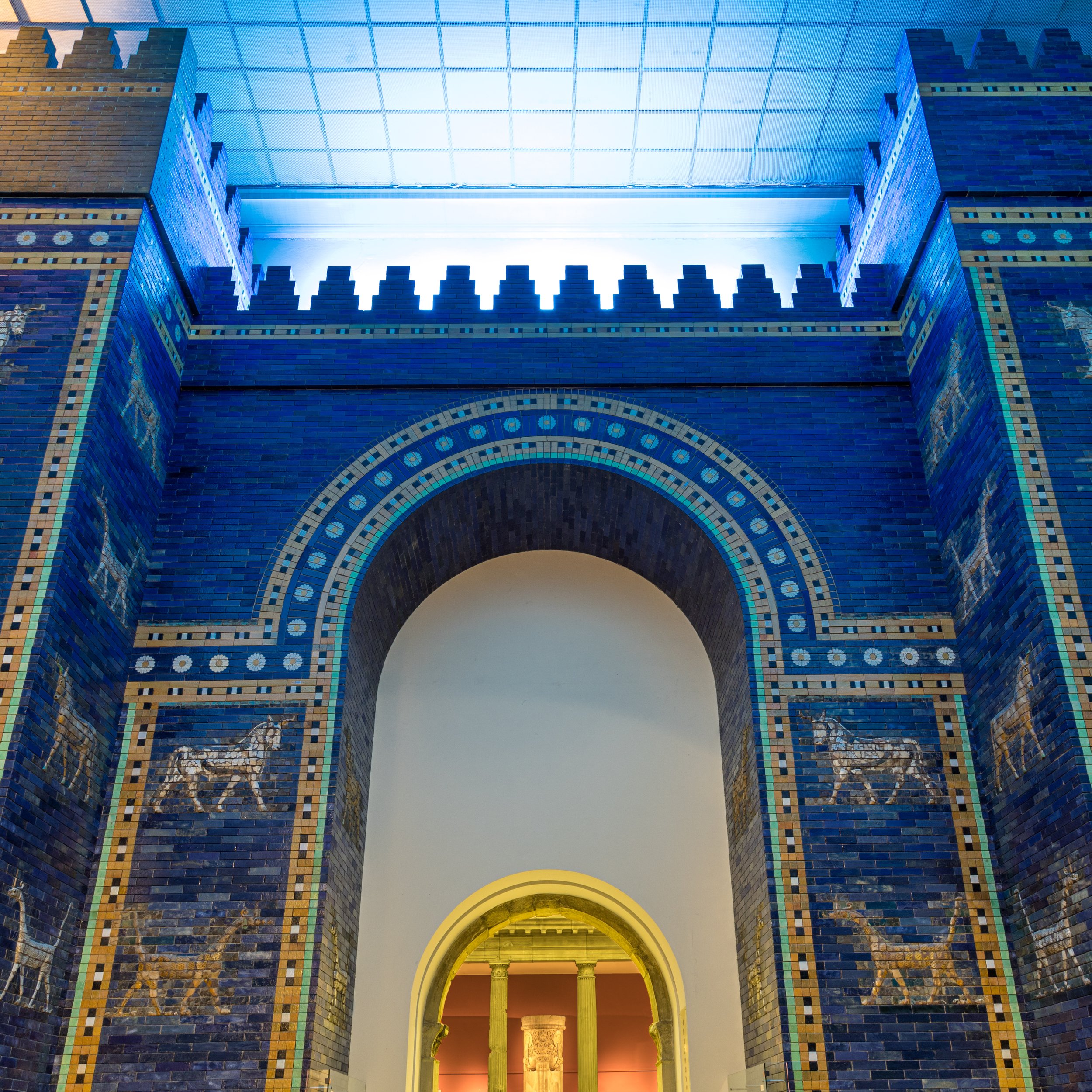
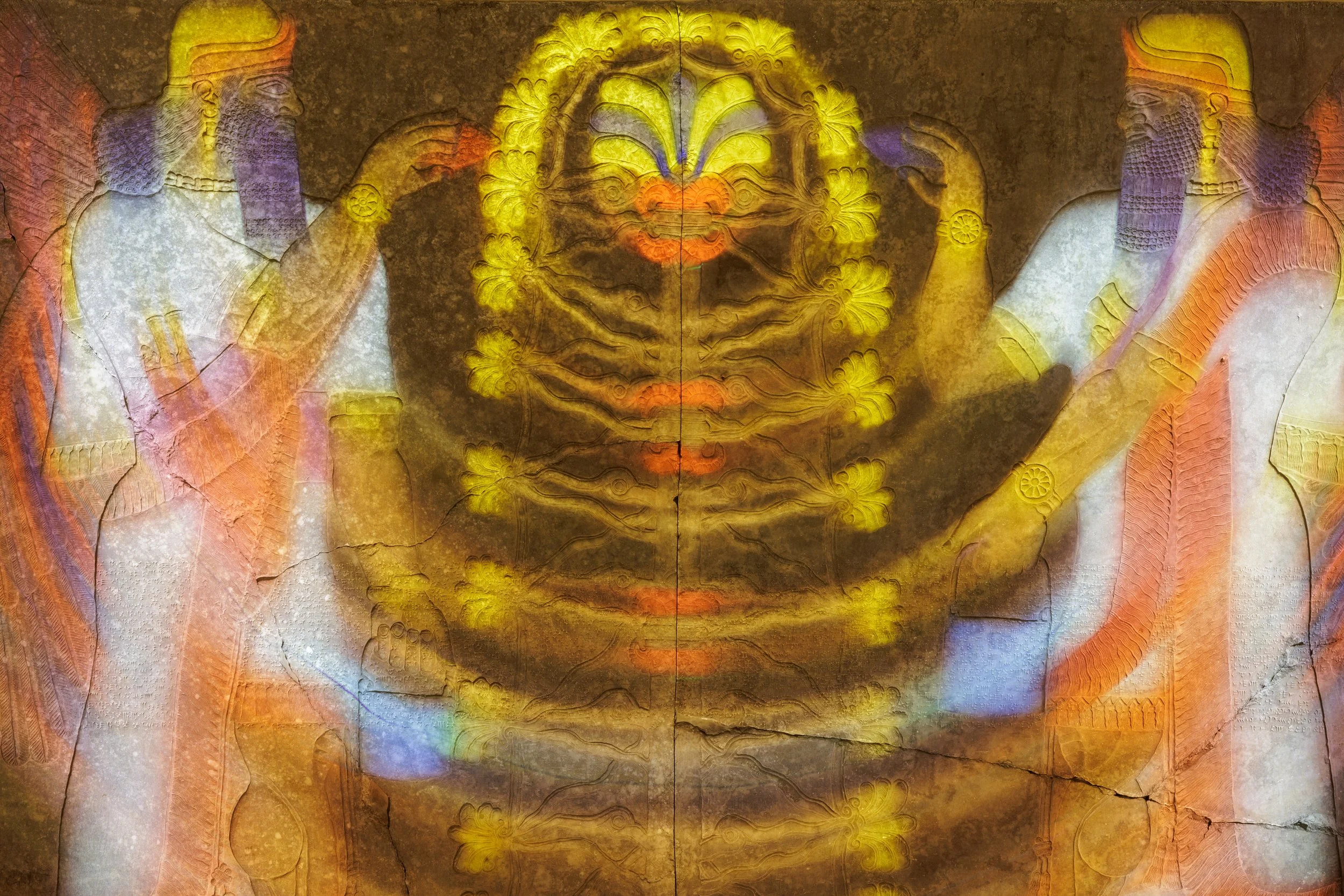
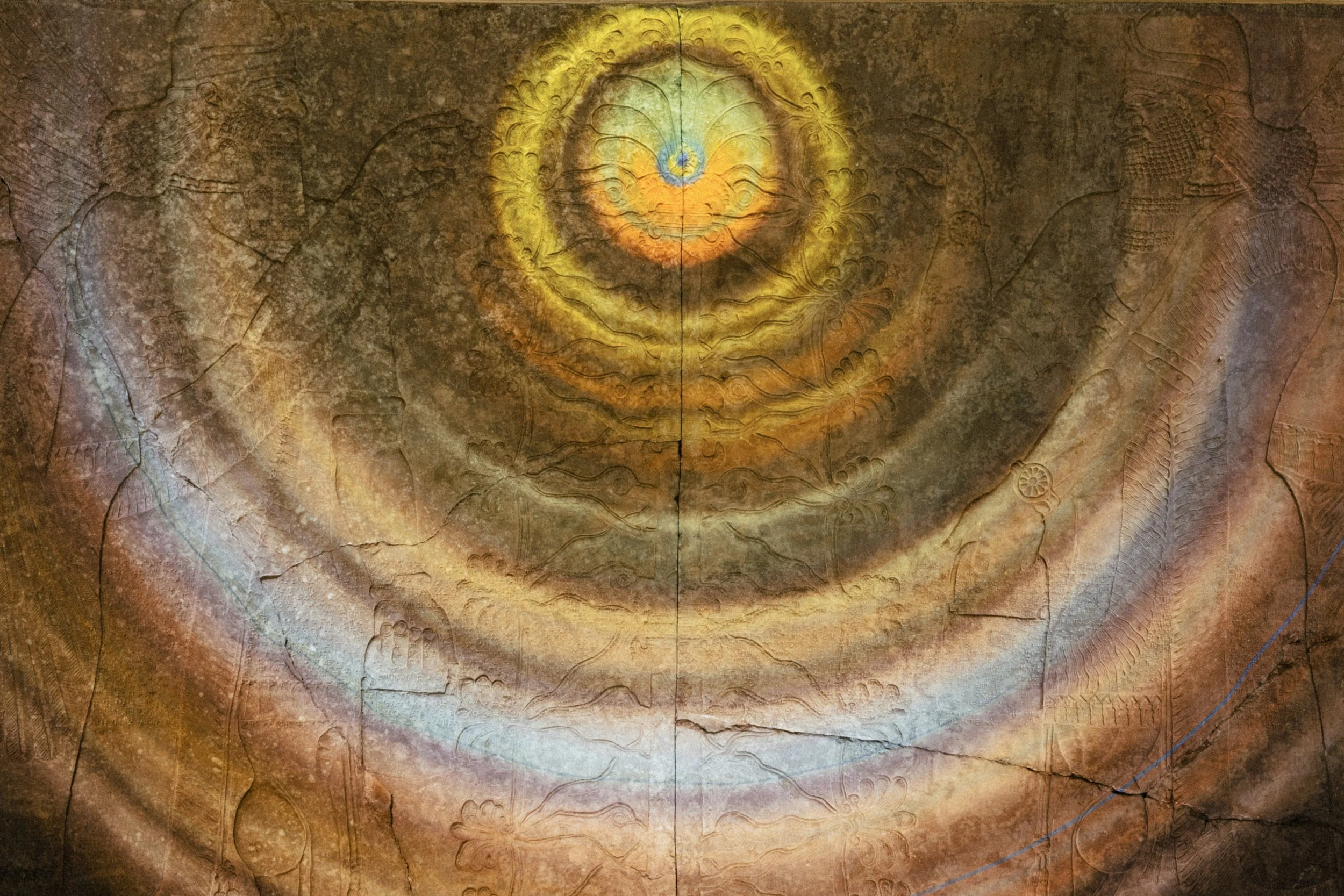
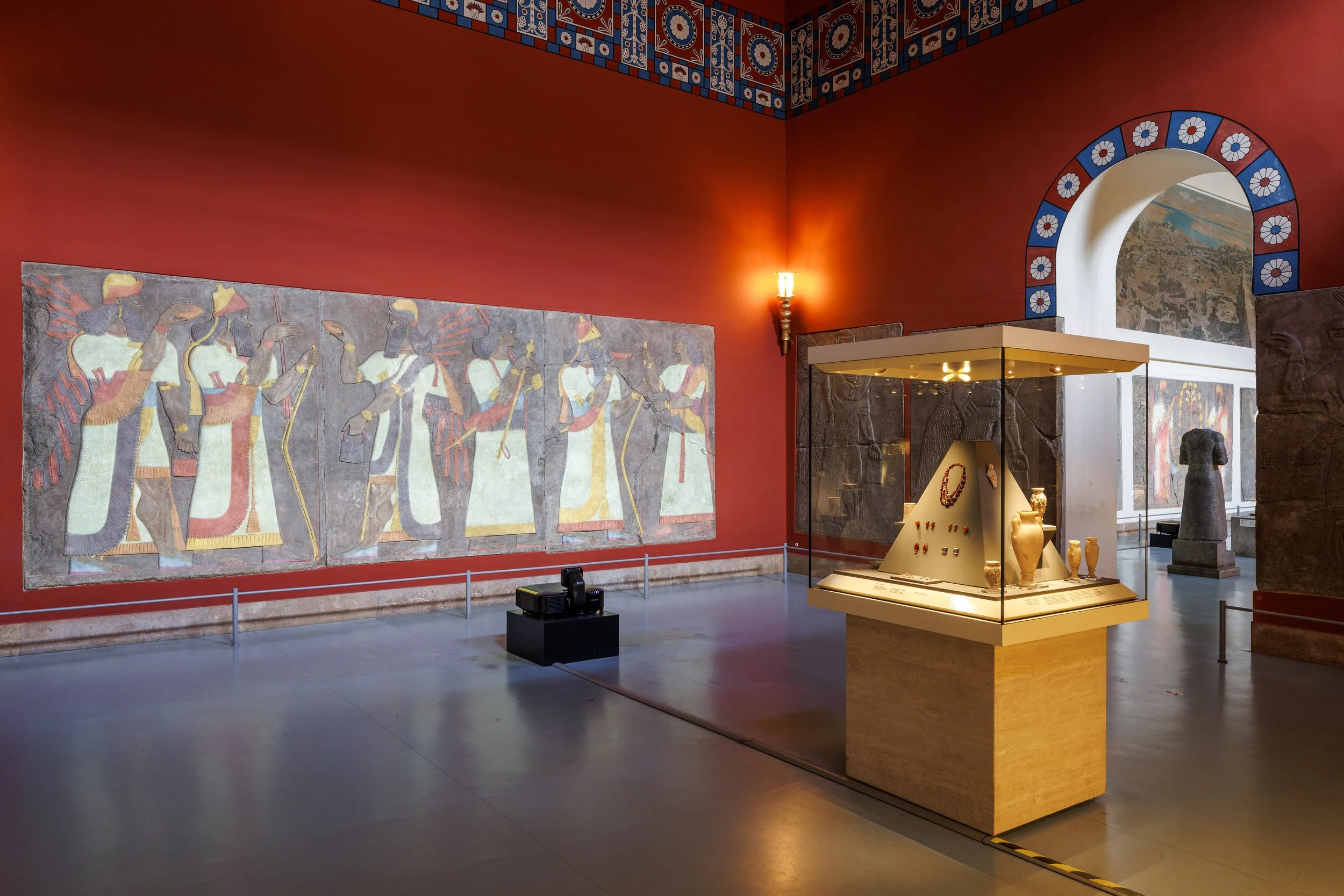
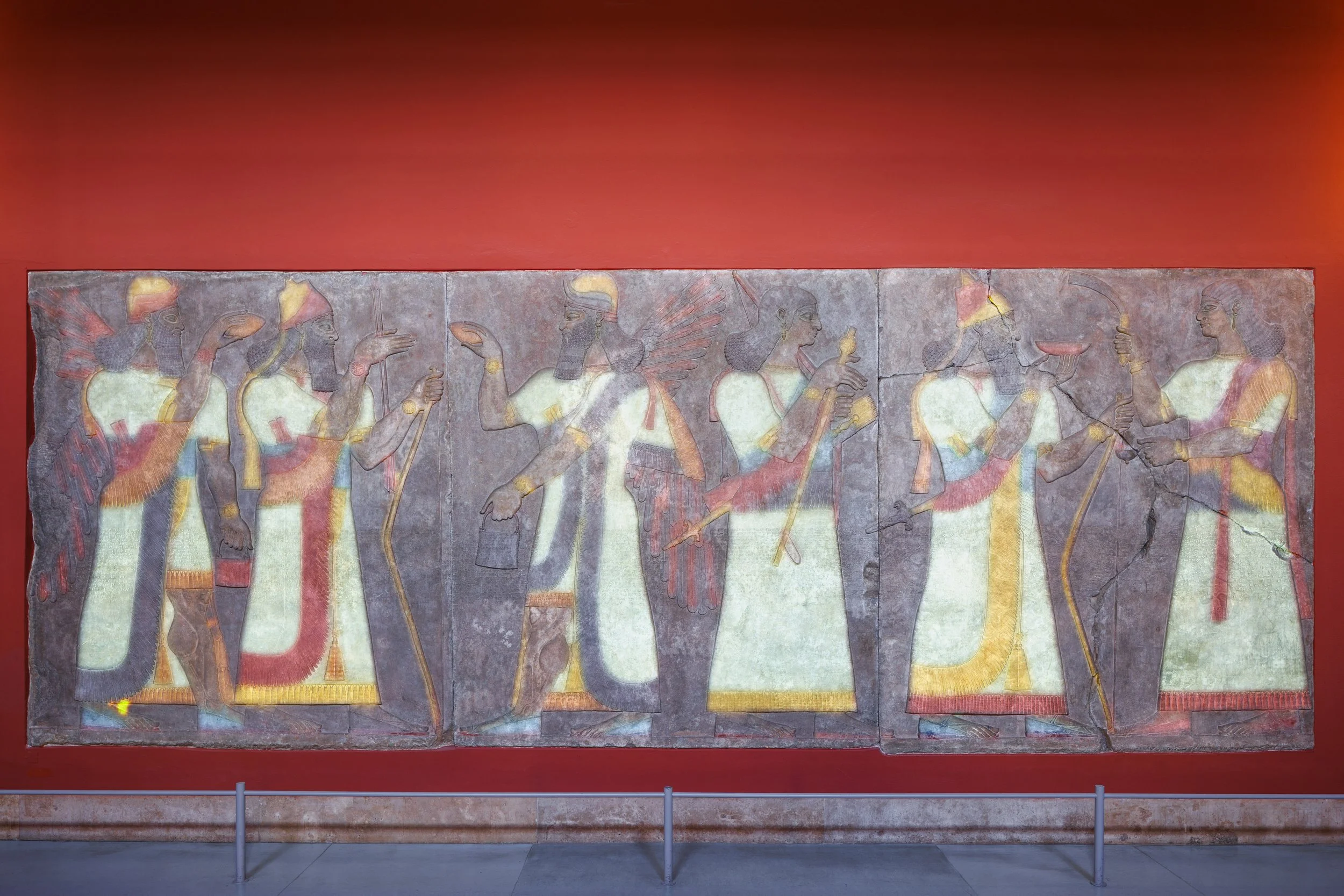
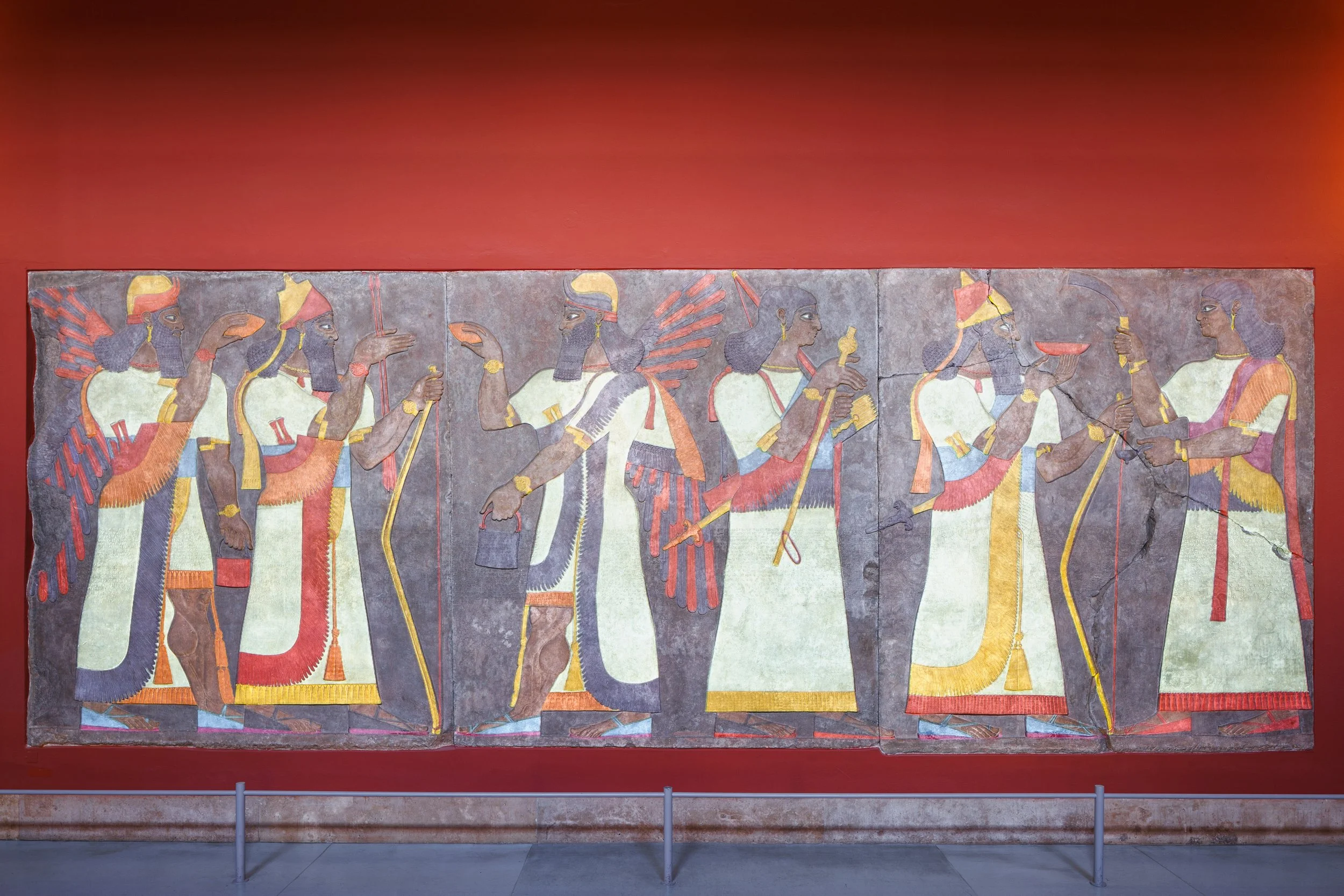
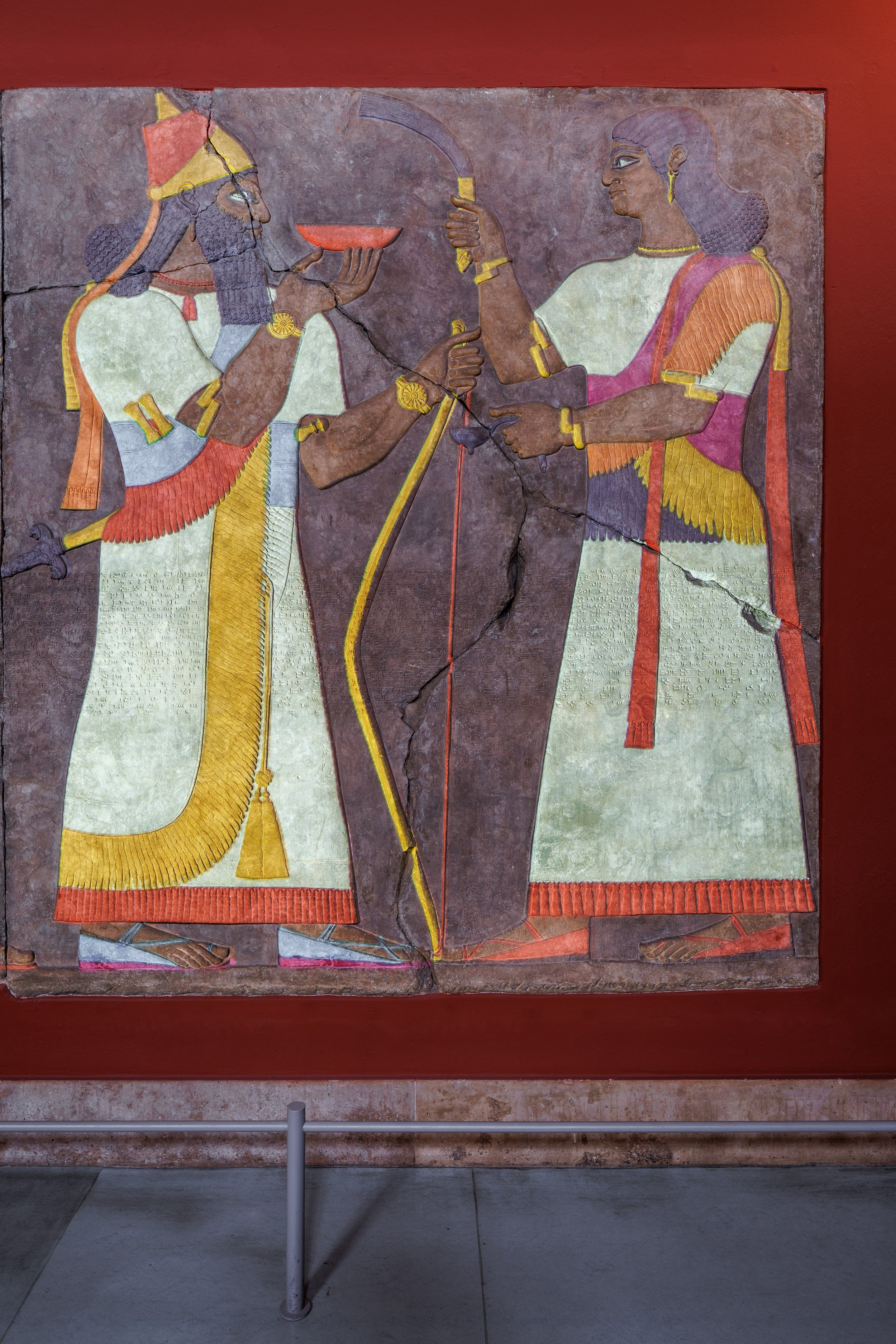
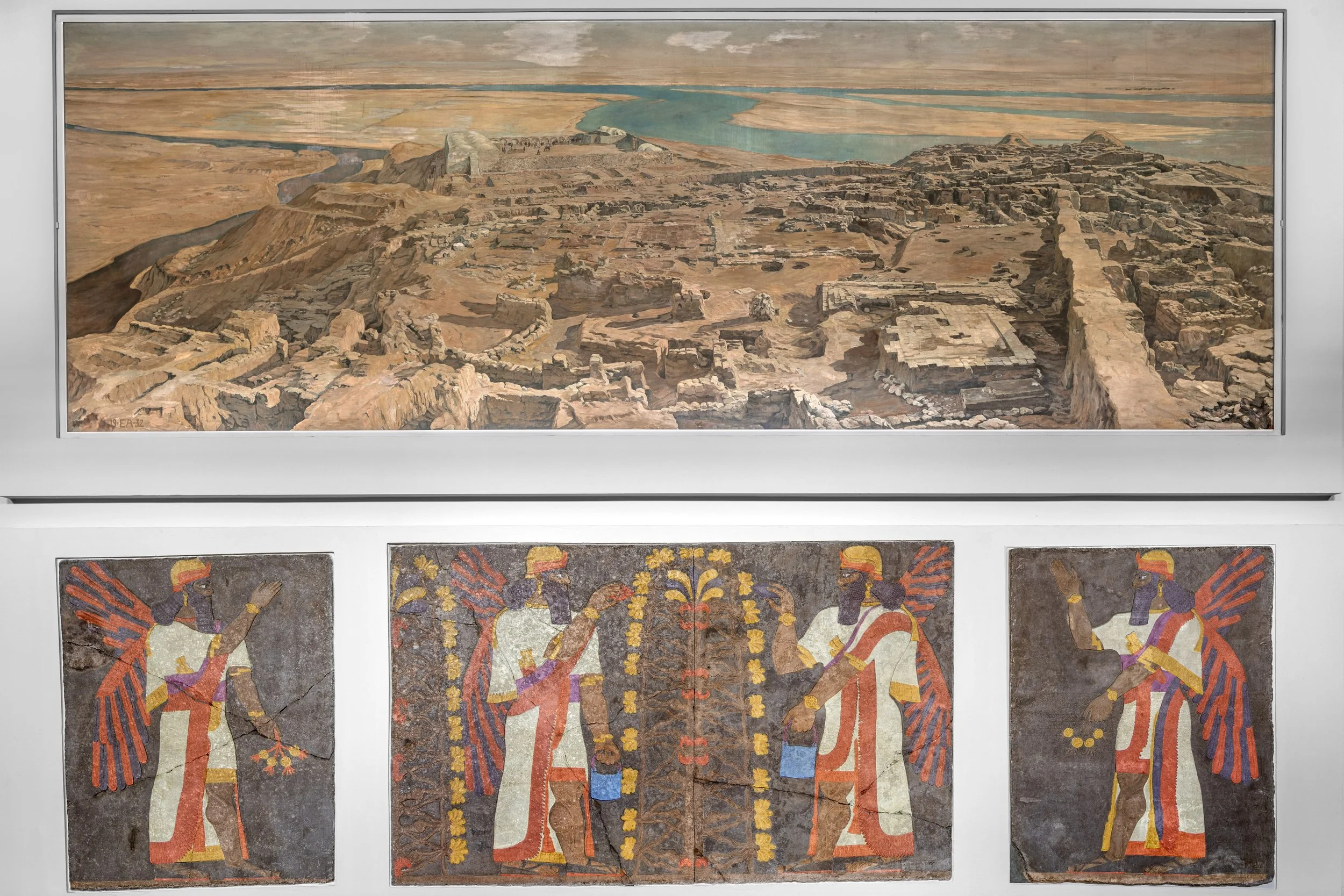
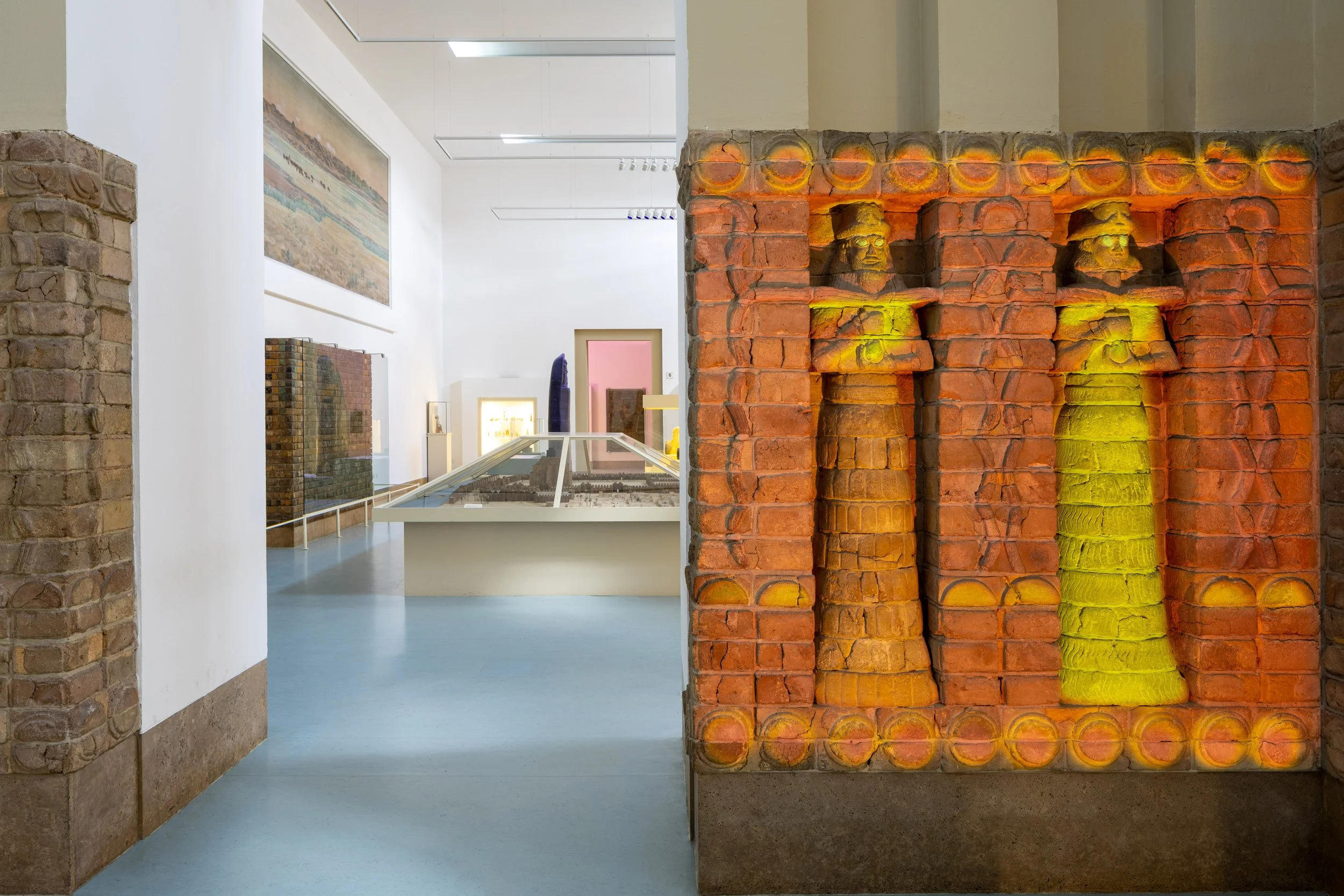
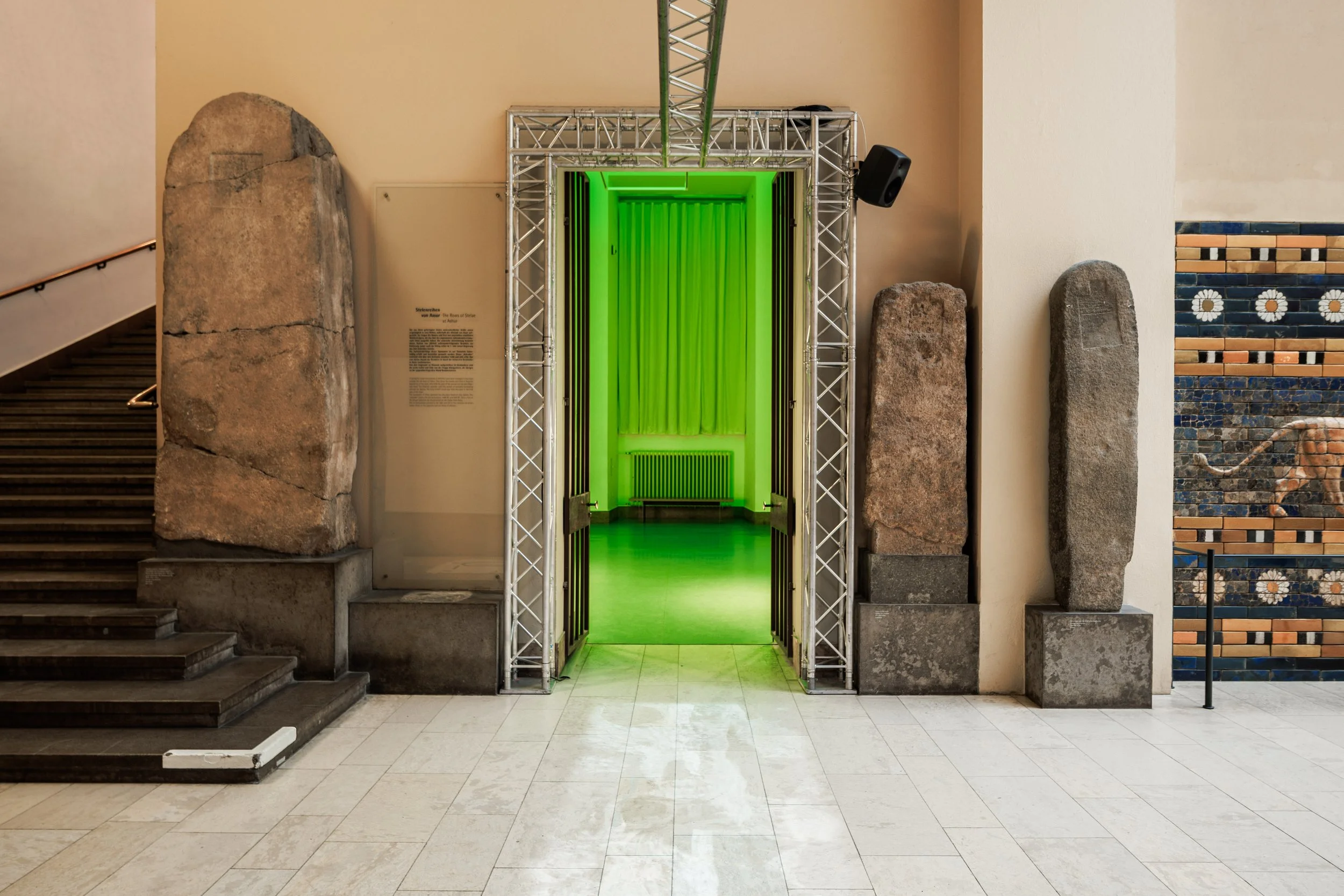
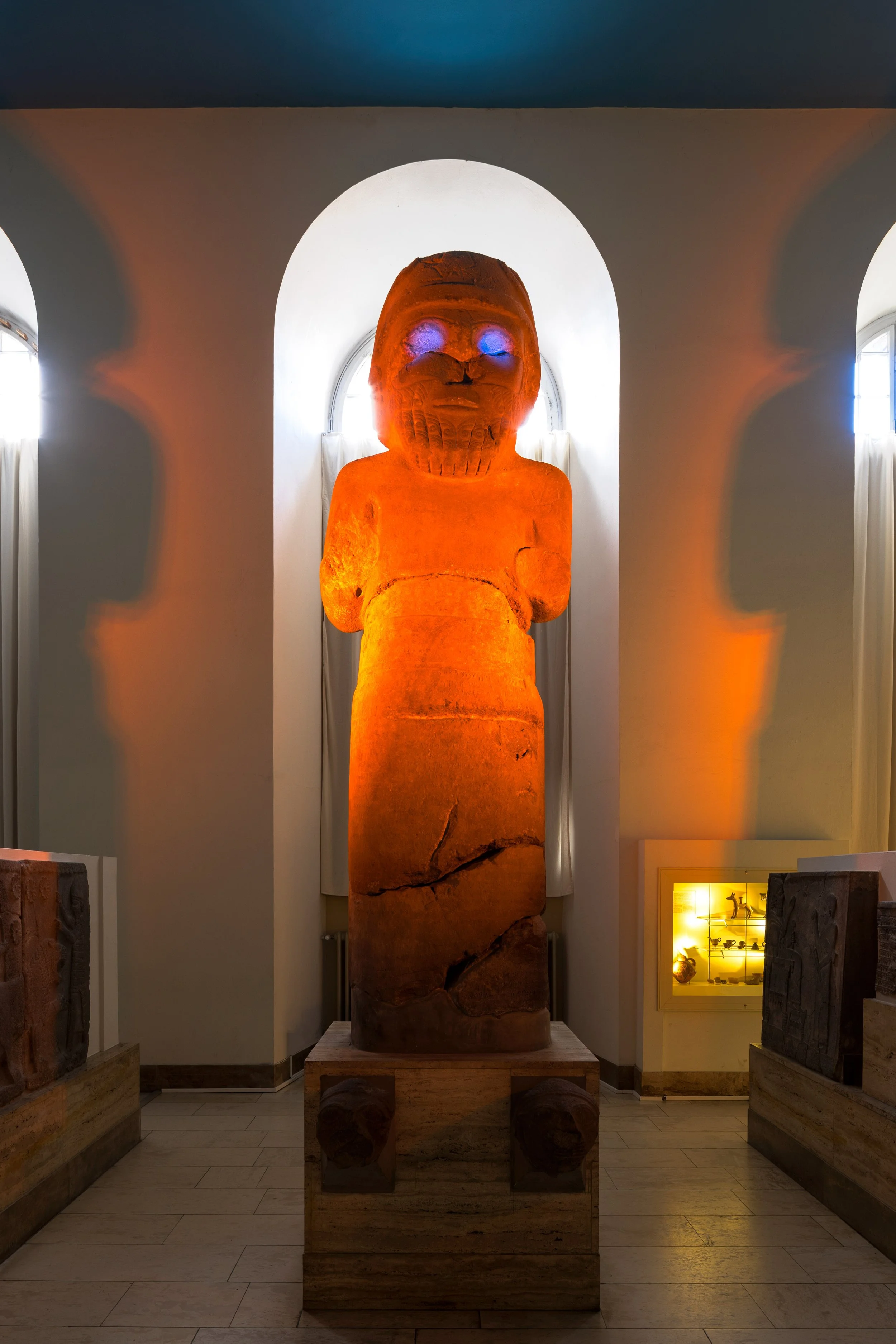
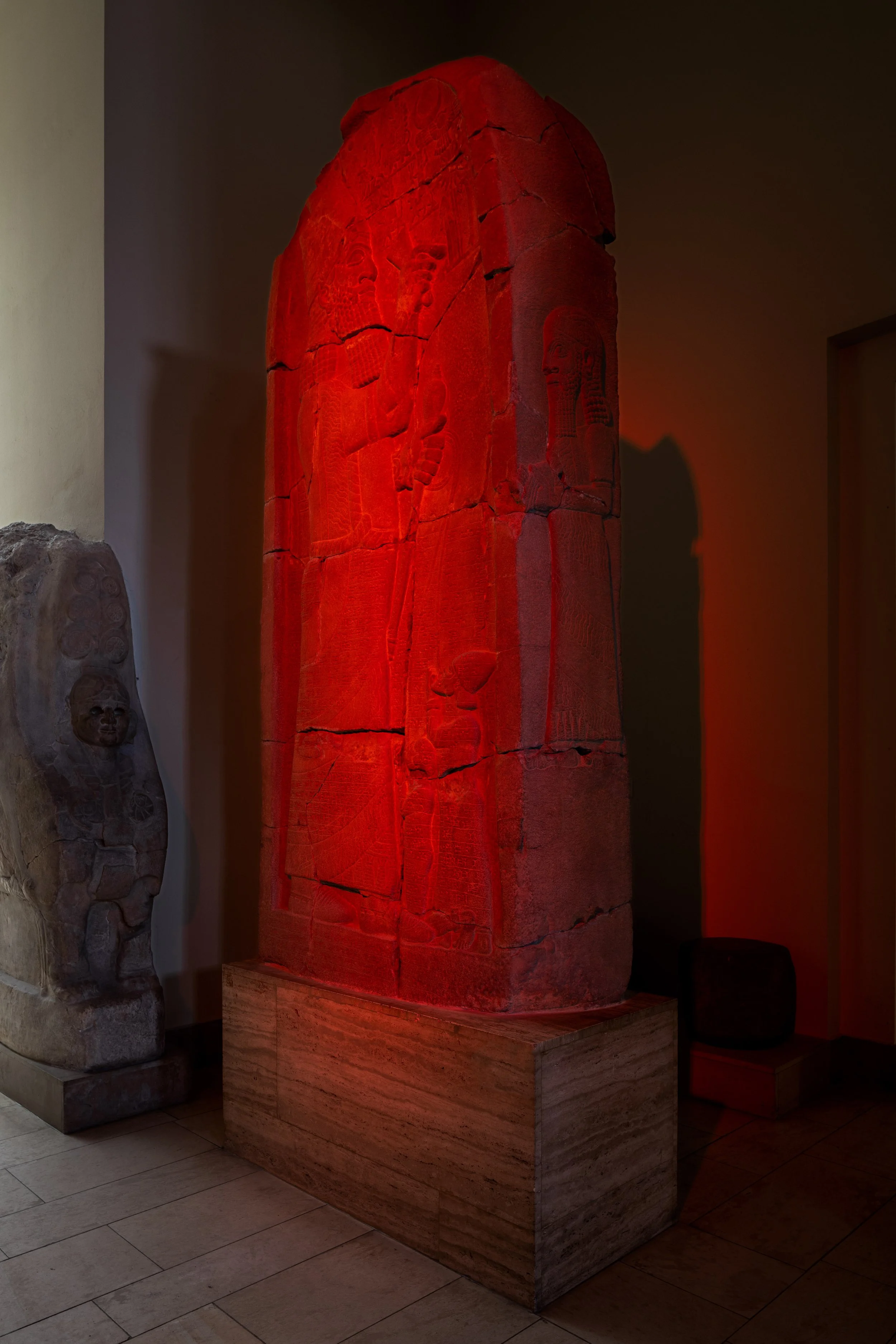
This series documented Liam Gillick’s trans-historical intervention Filtered Time at the Pergamonmuseum in Berlin, a collaboration between the Vorderasiatisches Museum and Hamburger Bahnhof. The commission focused on how projections of light and colour and layered soundscapes inhabited the halls around the Ishtar Gate, Tell Halaf sculptures and other archaeological ensembles, tracing the dialogue between ancient objects, the museum’s architecture and Gillick’s contemporary reflections on history, nationhood and cultural memory.
—
Exhibition text
In a historical first, the Vorderasiatisches Museum (Museum of the Ancient Near East) and the Hamburger Bahnhof – Nationalgalerie der Gegenwart (National Gallery of Contemporary Art) join forces on a trans-historical, site-specific presentation by artist Liam Gillick throughout the halls of the Pergamonmuseum. From Babylon’s iconic Ishtar Gate to the monumental sculptures of Tell Halaf, Gillick adds layers of sound, light and colour – creating an overlay to evoke connections across periods of the Pergamonmuseum.
Since the 1990s, Liam Gillick has continuously engaged with the exhibition as a critical medium. Colour has been a central aspect of this work. Given complete artistic freedom at the Pergamonmuseum, Gillick engages with the historical building and its collections. Entitled Filtered Time, his interventions take the form of light and colour projections and soundscapes that draw attention to, and expose more profoundly the various historical periods of the Pergamonmuseum.
At a time when museums are grappling with historical injustices and political agency, this joint exhibition raises pertinent concerns relating to the complex history of both institutions: the challenges faced by the Vorder-asiatisches Museum as guardian of archaeological artifacts and the notion of Nation for Hamburger Bahnhof as the contemporary part of Berlin’s Nationalgalerie. Liam Gillick. Filtered Time creates a sensorial space that proposes, rather than dictates, multiple explorations of some of these significant questions. While both institutions occupy a landmark position within the cultural landscape of Berlin, each focusing on a different period of artistic production, their collaboration is intended as testament to the contemporaneity of all art.
Cultural History as an Immersive Experience
Gillick’s artistic investigations underpinning Filtered Light are particularly informed by two areas of recent scholarship: the use of colour in ancient art, and the sound components that accompanied people’s original experiences when they were still in full use. Both now fully or partially lost, Gillick’s audiovisual installations create a changing atmosphere that evokes these aspects, animating the rooms and their exhibits in historically and culturally specific ways. The exhibition introduces colour and emotion to the museum in order to give visitors an opportunity to rethink the collection in relation to colour and time.